
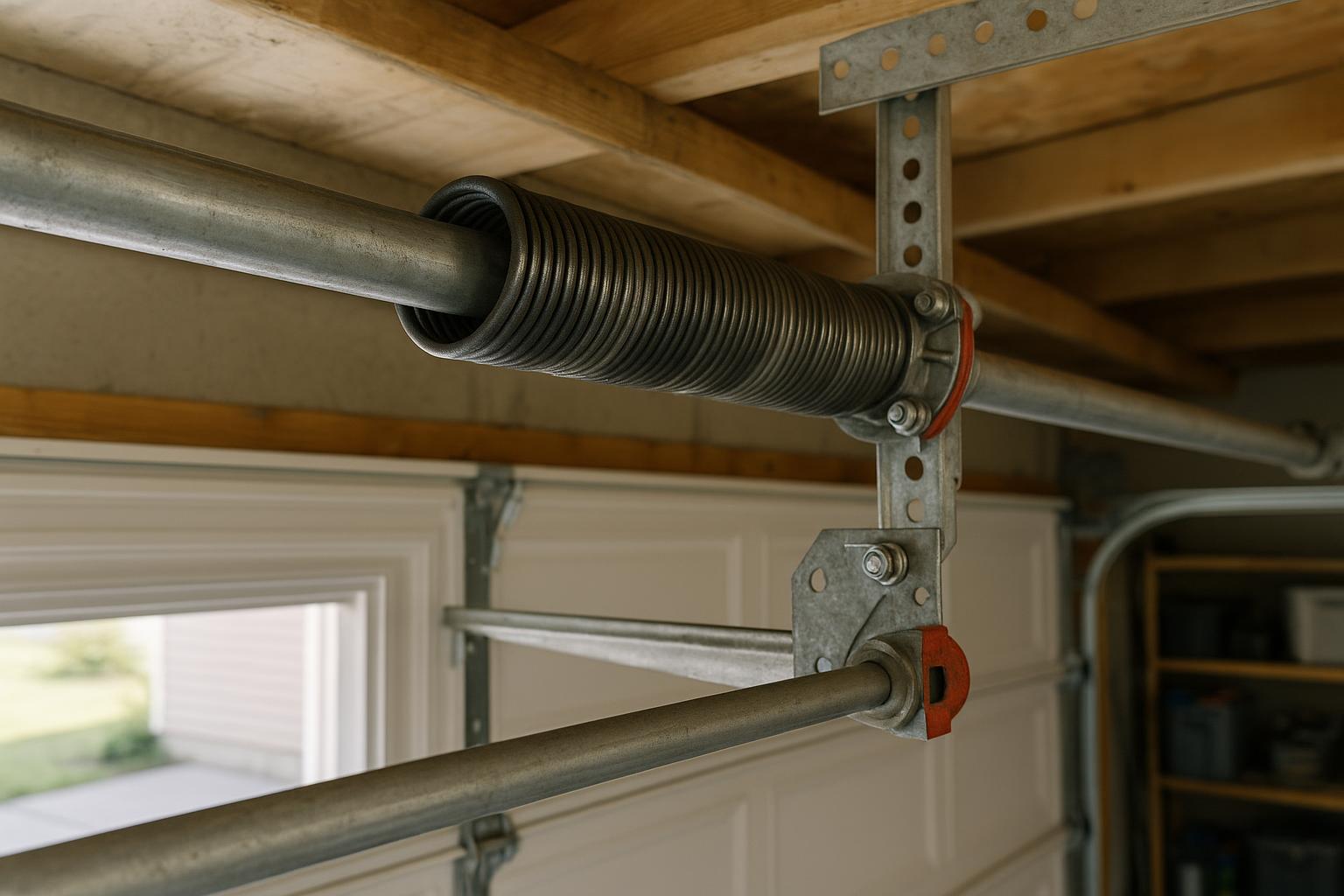
Your Garage Door Springs Are Doing More Work Than You Think
Every time you open or close your garage door, the springs are doing the heavy lifting — literally. A standard two-car garage door can weigh between 150 and 250 pounds, and the springs are responsible for counterbalancing all of that weight. Your garage door opener assists with the motion, but without properly functioning springs, it can't do its job.
Most homeowners in Bloomfield Hills use their garage door multiple times a day without giving the springs a second thought. But like any mechanical component under constant stress, garage door springs have a limited lifespan. Understanding when and why to replace them can save you from an unexpected — and potentially dangerous — failure.
How Long Do Garage Door Springs Last?
The lifespan of a garage door spring is measured in cycles. One cycle equals one full open and one full close. Most standard torsion springs are rated for approximately 10,000 cycles. If your household opens and closes the garage door four times a day, that works out to roughly seven to nine years of use.
However, several factors can shorten or extend that lifespan:
- Frequency of use: A busy household that uses the garage as the primary entry point may cycle the door six to eight times daily, cutting the spring's life significantly.
- Climate: Michigan's temperature swings put extra stress on metal components. Springs expand and contract with the heat and cold, which accelerates metal fatigue over time.
- Maintenance: Springs that are regularly lubricated and inspected tend to last longer than those that are neglected.
- Spring quality: Not all springs are created equal. Higher-cycle springs (rated for 20,000 or even 25,000 cycles) are available and offer a longer service life, though they cost more upfront.
Warning Signs Your Springs Are Wearing Out
A garage door spring rarely fails without giving some warning signs first. Knowing what to look for can help you schedule a replacement before a full break occurs. Here's what Bloomfield Hills homeowners should watch for:
The Door Feels Heavier Than Usual
If you disconnect the opener and try to lift the door manually, it should move smoothly and stay open about three to four feet off the ground. If it feels unusually heavy or slams down when you let go, the springs are losing their tension and aren't counterbalancing the door's weight properly.
The Door Opens Unevenly or Crooked
If one spring is weaker than the other — or if you have a two-spring system and one has already broken — the door may rise unevenly. You might notice one side lifting faster than the other, which also puts stress on the tracks and cables.
Visible Gaps in the Spring
Torsion springs are tightly wound coils mounted above the door. When a spring breaks, you'll often see a visible gap in the coil where the metal has separated. If you notice this, do not attempt to operate the door. A broken spring under tension is extremely dangerous.
Loud Bang From the Garage
Many homeowners report hearing a loud bang — almost like a gunshot — coming from the garage. This is often the sound of a spring snapping. If you hear this and your door won't open, a broken spring is the most likely cause.
The Opener Struggles or Stops
When springs weaken, the opener has to work harder to lift the door. You may notice the motor straining, the door opening more slowly, or the opener stopping partway through the cycle. Running the opener with worn springs can burn out the motor prematurely.
Can You Replace Garage Door Springs Yourself?
This is one of the most common questions we get, and the answer is straightforward: we strongly advise against it. Garage door springs are under extreme tension. A torsion spring that snaps during removal or installation can cause serious injury. Every year, emergency rooms across the country treat injuries from DIY spring replacement attempts.
Professional technicians have the proper tools, training, and experience to replace springs safely. At Bloomfield Hills Garage Door, our team handles spring replacements regularly and ensures the new springs are properly sized, wound, and balanced for your specific door.
Should You Replace Both Springs at Once?
If your garage door has two torsion springs and only one has broken, you might wonder whether it's worth replacing both. In almost every case, the answer is yes. Here's why:
- Both springs were installed at the same time and have endured the same number of cycles. If one has failed, the other is likely close behind.
- Replacing both at once saves you from paying for a second service call in a few months.
- Mismatched springs — one new and one worn — can cause the door to operate unevenly, leading to additional wear on the tracks, cables, and opener.
What About Extension Springs?
Some older garage doors in the Bloomfield Hills and Birmingham area use extension springs, which run along the horizontal tracks on either side of the door. These springs stretch and contract to lift the door, and they typically have a shorter lifespan than torsion springs.
If your home still uses extension springs, you may want to consider upgrading to a torsion spring system during your next replacement. Torsion springs offer smoother operation, longer life, and improved safety — especially when paired with safety cables that prevent a broken spring from becoming a projectile.
How Regular Maintenance Extends Spring Life
One of the simplest things you can do to get the most out of your garage door springs is to keep up with basic maintenance. Here's what we recommend:
- Lubricate the springs every three to four months using a silicone-based or lithium-based garage door lubricant. Avoid WD-40, which is a solvent, not a long-term lubricant.
- Visually inspect the springs for signs of rust, corrosion, or gaps in the coils. Catching problems early can prevent a sudden failure.
- Test the door's balance by disconnecting the opener and manually lifting the door halfway. If it doesn't stay in place, the springs may need adjustment.
- Schedule an annual professional inspection. A trained technician can assess spring condition, check tension, and identify issues you might miss.
Our maintenance service covers all of these checks and more, giving homeowners across Oakland County peace of mind that their garage door system is operating safely and efficiently.
Don't Wait for a Break — Plan Ahead
A broken garage door spring is more than an inconvenience. It can leave your car trapped in the garage, compromise your home's security, and lead to costly damage to other components if the door drops unexpectedly. For homeowners in Bloomfield Hills and the surrounding communities like Troy, West Bloomfield, and Rochester Hills, proactive spring replacement is one of the smartest investments you can make in your garage door system.
If your springs are approaching the seven-year mark, or if you've noticed any of the warning signs we've described, don't wait for a failure. Contact Bloomfield Hills Garage Door to schedule an inspection. We'll assess your springs, give you an honest recommendation, and handle the replacement quickly and safely — with upfront pricing and no surprises.